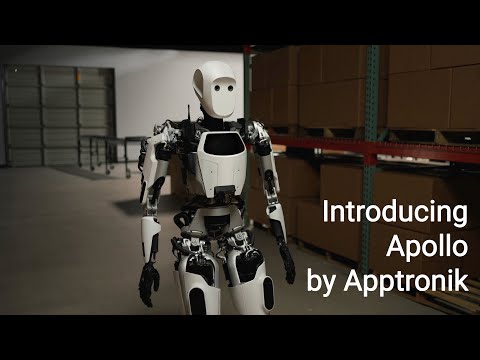
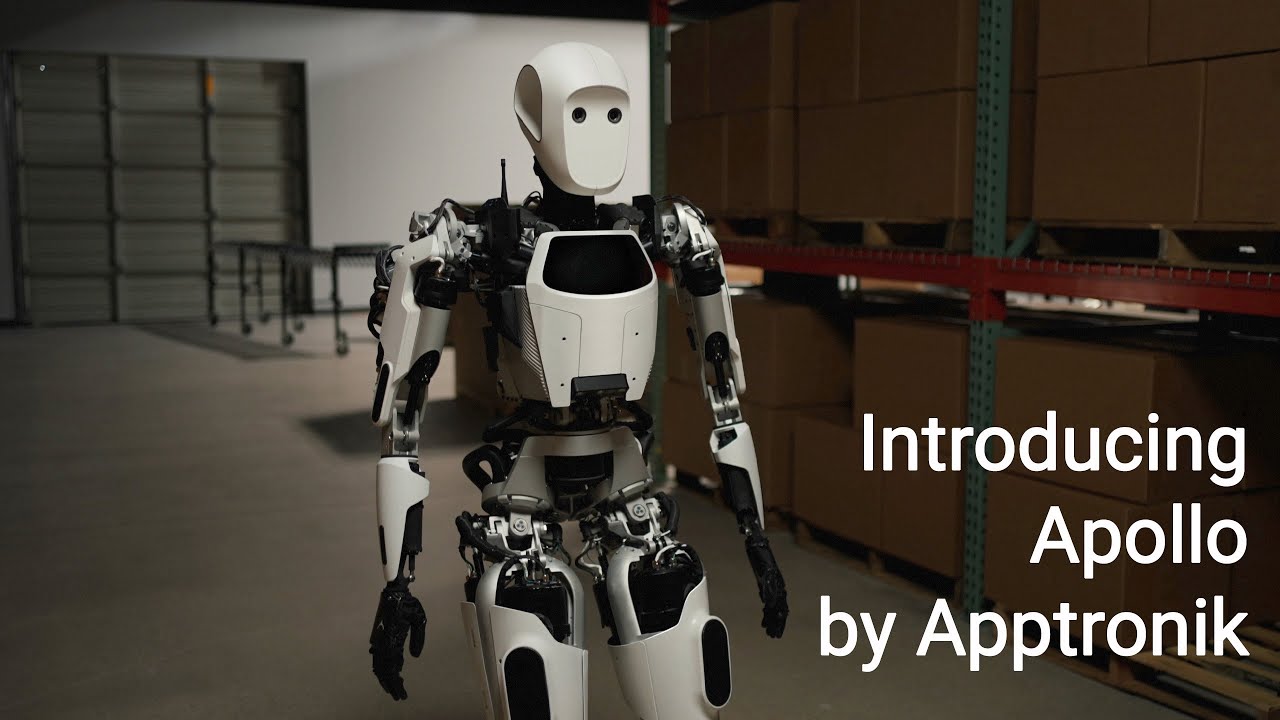
Introducing the Apollo Humamoid Robot by Apptronik

Apptronik Apollo humanoid robot at #nvidia #gtc2024
Apptronik Apollo 2
by Apptronik
Apollo 2 is the second generation of Apptronik's general-purpose humanoid, spun out from NASA research. Designed for logistics, manufacturing, and warehouse applications. Features modular design, human-like dexterity, and safe collaboration with human workers. Deployed at Mercedes-Benz facilities.
- Height
- 1.70 m
- Weight
- 68 kg
- Speed
- 1.8 m/s
- Battery
- 5 hours
Price Range
$60,000 - $120,000
RobotScore
Questions & answers
Loading…
User reviews
No reviews yet — be the first.
Sign in to leave the first review.
Overview & Analysis
The Apptronik Apollo 2 by Apptronik is a humanoid robot, developed in United States, first introduced in 2025 that represents Apptronik's approach to human-centric automation and interaction. Apollo 2 is the second generation of Apptronik's general-purpose humanoid, spun out from NASA research. Designed for logistics, manufacturing, and warehouse applications. Features modular design, human-like dexterity, and safe collaboration with human workers. Deployed at Mercedes-Benz facilities.
Standing at 1.70 m and weighing 68 kg, its physical dimensions are well-suited for human-scale environments for humanoid applications. With a maximum speed of 1.8 m/s, it enables efficient task completion within its operational environment. The payload capacity of 30 kg supports the physical demands of its intended applications. Battery life of 5 hours provides operational runtime suitable for typical deployment scenarios, though extended missions may require charging infrastructure.
On the intelligence front, the Apptronik Apollo 2 features 6 AI capabilities: autonomous navigation, object manipulation, task planning, human-robot collaboration, safety systems, adaptive learning. Autonomous navigation is particularly valuable for unsupervised operation in dynamic environments. This combination of capabilities positions the Apptronik Apollo 2 as a competitive option in the humanoid space, offering a balanced combination of capability and value.
Common Use Cases
- 1Manufacturing assembly and quality inspection
- 2Warehouse logistics and material handling
- 3Research and development in human-centric environments
- 4Customer service and reception in public spaces
- 5Elderly and healthcare assistance
Strengths
- ✓Mobility speed of 1.8 m/s enables efficient task completion in human environments
- ✓Payload capacity of 30 kg allows handling of real-world objects and tools
- ✓AI capabilities including autonomous navigation, object manipulation, task planning enable adaptive behavior
- ✓46 degrees of freedom provides human-like dexterity for manipulation tasks
- ✓Human-compatible form factor allows operation in existing infrastructure without modification
Considerations
- !Regulatory approval for autonomous operation in public spaces varies by jurisdiction
- !Integration with existing IT infrastructure and safety systems requires careful planning
Who Should Consider the Apptronik Apollo 2?
The Apptronik Apollo 2 is ideal for organizations that need a general-purpose robot capable of operating in human-designed environments. Research institutions exploring humanoid locomotion and manipulation, logistics companies seeking flexible automation, and enterprises evaluating the future of human-robot collaboration should consider this platform. If your use case requires a robot that can navigate stairs, open doors, and use tools designed for people, the Apptronik Apollo 2 warrants serious evaluation.
Competitive Landscape
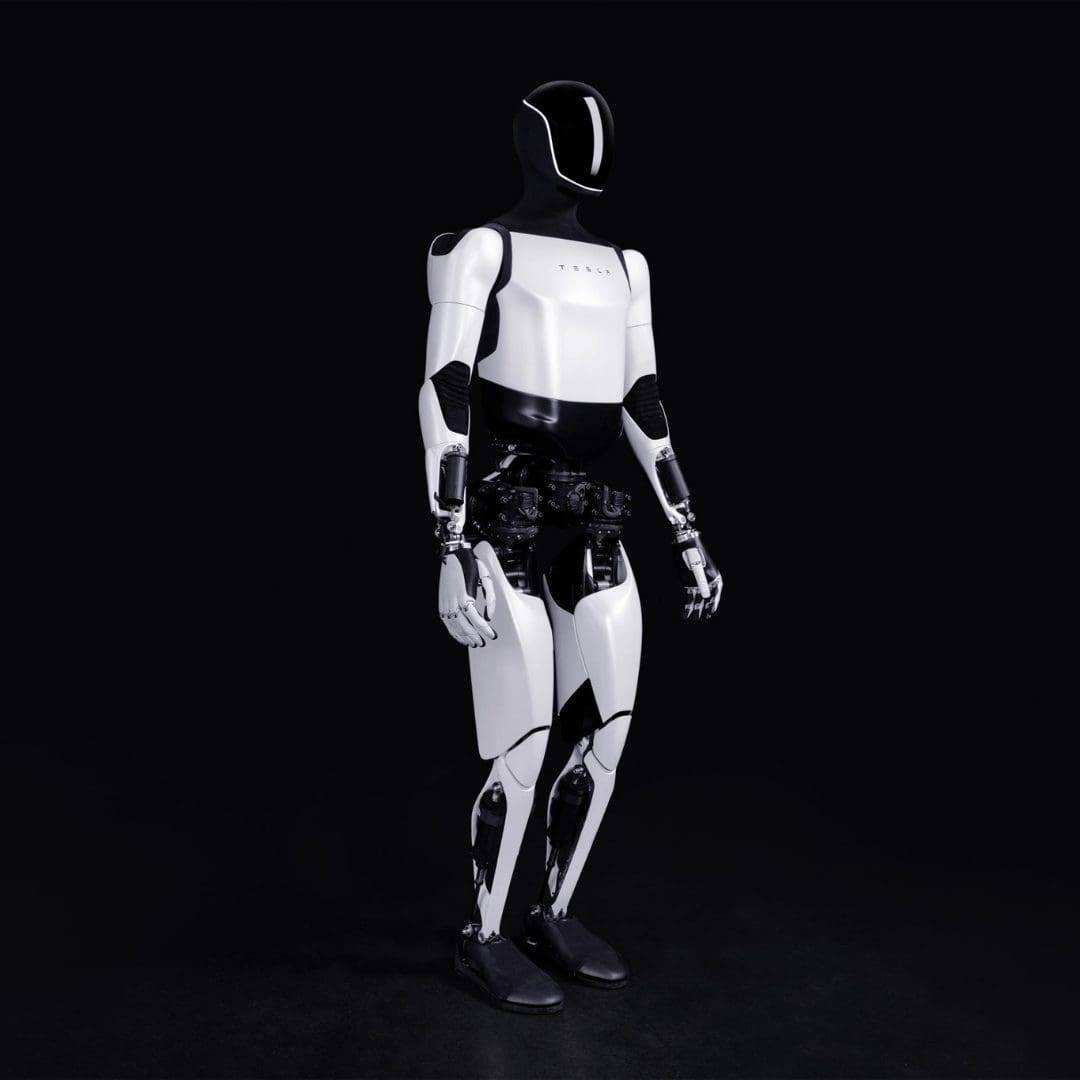
Within the humanoid robot category, the Apptronik Apollo 2 competes with platforms like Tesla Optimus Gen 2, Steve, Dexmate Vega. Each robot in this space offers different trade-offs between capability, cost, and availability. Use our comparison tools to evaluate the Apptronik Apollo 2 against specific alternatives for your use case, or explore the full humanoid robot database to discover all available options.
AI Capabilities
Full Specifications
| Specification | Apptronik Apollo 2 Apptronik humanoid |
|---|---|
| Status | active |
| Price | $60,000 - $120,000 |
📐Physical Dimensions | |
| Height | 1.70 m |
| Weight | 68 kg |
| Degrees of Freedom | 46 |
⚡Performance Specs | |
| Max Speed | 1.8 m/s |
| Battery Life | 5 hours |
| Payload | 30 kg |
🧠AI Capabilities | |
| AI Capabilities | autonomous navigationobject manipulationtask planninghuman-robot collaborationsafety systemsadaptive learning Score: 10 |
Gallery
Frequently Asked Questions
Popular Comparisons
Verified Sources
Official links for Apptronik Apollo 2 specifications and information.