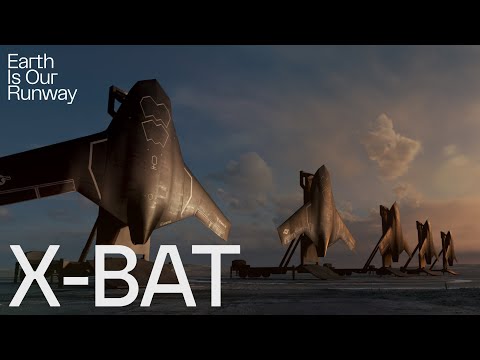
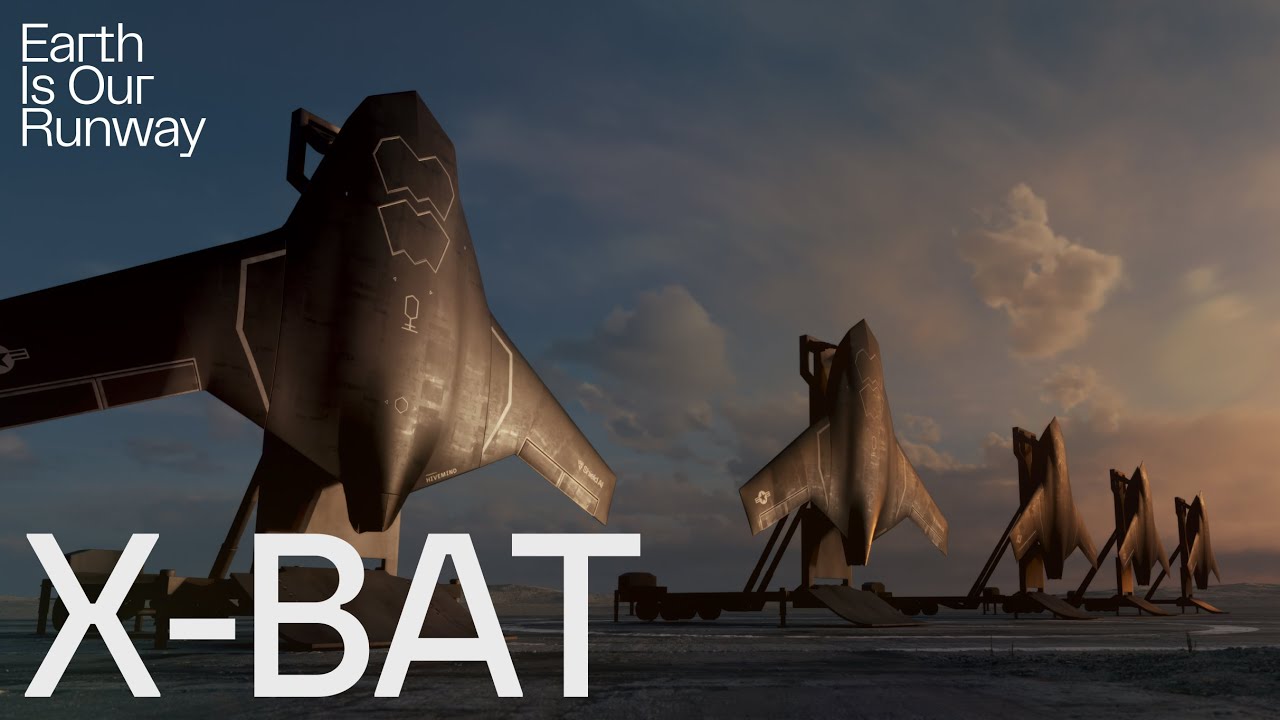

X-BAT: Earth Is Our Runway

Unveiling the Future of Defense Tech: Shield AI’s V-BAT Teams for Autonomous Missions
V-BAT
by Shield AI
V-BAT is a vertical takeoff and landing (VTOL) autonomous drone system designed for military reconnaissance and intelligence gathering. It features Shield AI's Hivemind autonomous system, enabling GPS-denied navigation and indoor flight. V-BAT can operate without pilot input.
- Height
- 1.5 m
- Weight
- 27 kg
- Speed
- 130 km/h
- Battery
- 3 hours
Price Range
Government pricing
RobotScore
Questions & answers
Loading…
User reviews
No reviews yet — be the first.
Sign in to leave the first review.
Overview & Analysis
The V-BAT by Shield AI is a military robot, developed in United States, launched in 2020 that represents Shield AI's approach to defense autonomy and force protection. V-BAT is a vertical takeoff and landing (VTOL) autonomous drone system designed for military reconnaissance and intelligence gathering. It features Shield AI's Hivemind autonomous system, enabling GPS-denied navigation and indoor flight. V-BAT can operate without pilot input.
Standing at 1.5 m and weighing 27 kg, its physical dimensions are designed for military applications. With a maximum speed of 130 km/h, it enables efficient task completion within its operational environment. The payload capacity of 5 kg supports the physical demands of its intended applications. Battery life of 3 hours provides operational runtime suitable for typical deployment scenarios, though extended missions may require charging infrastructure.
On the intelligence front, the V-BAT features 5 AI capabilities: GPS-denied navigation, indoor flight, autonomous reconnaissance, swarm coordination, threat detection. These capabilities enhance the robot's ability to operate with varying degrees of autonomy. This combination of capabilities positions the V-BAT as a competitive option in the military space, offering a balanced combination of capability and value.
Common Use Cases
- 1Explosive ordnance reconnaissance and disposal
- 2Perimeter surveillance and monitoring
- 3Battlefield logistics and supply delivery
- 4Search and rescue in hazardous environments
- 5Communication relay in denied areas
Strengths
- ✓Mobility speed of 130 km/h enables efficient task completion in human environments
- ✓Payload capacity of 5 kg allows handling of real-world objects and tools
- ✓AI capabilities including GPS-denied navigation, indoor flight, autonomous reconnaissance enable adaptive behavior
- ✓6 degrees of freedom provides human-like dexterity for manipulation tasks
- ✓Human-compatible form factor allows operation in existing infrastructure without modification
Considerations
- !Regulatory approval for autonomous operation in public spaces varies by jurisdiction
- !Integration with existing IT infrastructure and safety systems requires careful planning
Who Should Consider the V-BAT?
The V-BAT is built for defense and security organizations requiring unmanned systems for reconnaissance, logistics, or hazardous operations. If your operational needs include EOD, perimeter security, or supply transport in contested environments, the V-BAT by Shield AI should be evaluated alongside comparable tactical UGVs. Consider deployment logistics, communication systems, and interoperability requirements.
Competitive Landscape
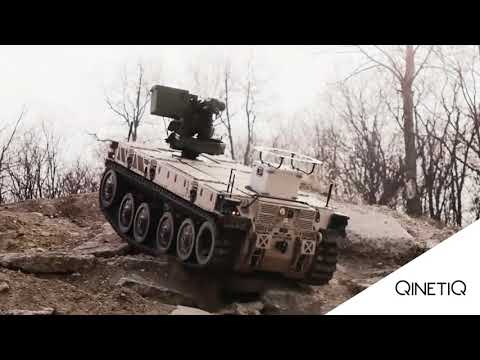
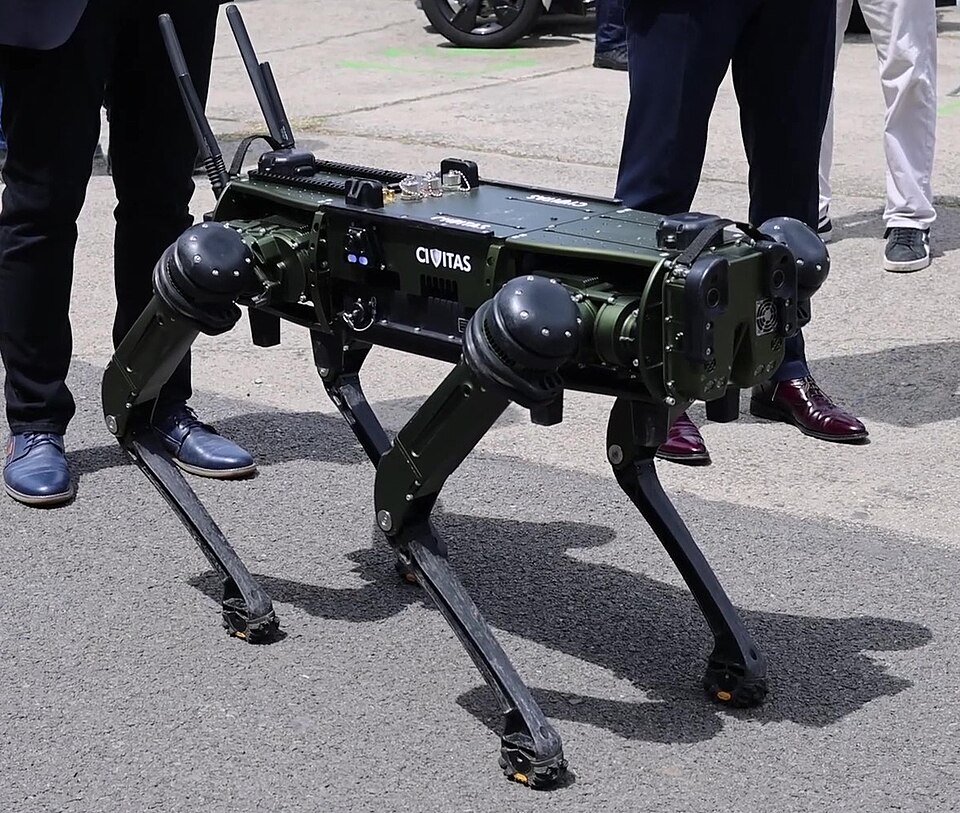
Within the military robot category, the V-BAT competes with platforms like Ghost, QinetiQ TITAN, Vision 60. Each robot in this space offers different trade-offs between capability, cost, and availability. Use our comparison tools to evaluate the V-BAT against specific alternatives for your use case, or explore the full military robot database to discover all available options.
AI Capabilities
Full Specifications
| Specification | V-BAT Shield AI military |
|---|---|
| Status | active |
| Price | Government pricing |
📐Physical Dimensions | |
| Height | 1.5 m |
| Weight | 27 kg |
| Degrees of Freedom | 6 |
⚡Performance Specs | |
| Max Speed | 130 km/h |
| Battery Life | 3 hours |
| Payload | 5 kg |
🧠AI Capabilities | |
| AI Capabilities | GPS-denied navigationindoor flightautonomous reconnaissanceswarm coordinationthreat detection Score: 5 |
Gallery
Frequently Asked Questions
Popular Comparisons
Verified Sources
Official links for V-BAT specifications and information.