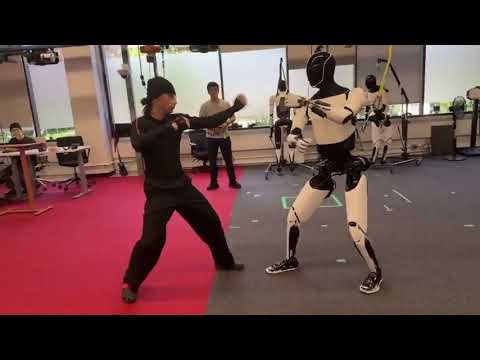

Tesla Optimus Robot Does Kung Fu

Optimus catching ball with new hand
Tesla Bot Hand (Prototype)
by Tesla
Tesla's standalone robotic hand prototype featuring 22 degrees of freedom, tactile sensing, and neural network control. Designed as a modular component that can be integrated into various robotic platforms. Capable of delicate manipulation tasks including threading needles and handling fragile objects.
- Height
- 0.25 m
- Weight
- 1.2 kg
- Speed
- N/A
- Battery
- Integrated
Price Range
Prototype
RobotScore
Questions & answers
Loading…
User reviews
No reviews yet — be the first.
Sign in to leave the first review.
Overview & Analysis
The Tesla Bot Hand (Prototype) by Tesla is a research robot, developed in United States, first introduced in 2026 that represents Tesla's approach to scientific experimentation and platform development. Tesla's standalone robotic hand prototype featuring 22 degrees of freedom, tactile sensing, and neural network control. Designed as a modular component that can be integrated into various robotic platforms. Capable of delicate manipulation tasks including threading needles and handling fragile objects.
Standing at 0.25 m and weighing 1.2 kg, its physical dimensions are designed for research applications. With a maximum speed of N/A, it enables efficient task completion within its operational environment. The payload capacity of 5 kg grip supports the physical demands of its intended applications. Battery life of Integrated provides operational runtime suitable for typical deployment scenarios, though extended missions may require charging infrastructure.
On the intelligence front, the Tesla Bot Hand (Prototype) features 6 AI capabilities: tactile sensing, fine motor control, neural network control, object recognition, force feedback, adaptive grip. These capabilities enhance the robot's ability to operate with varying degrees of autonomy. This combination of capabilities positions the Tesla Bot Hand (Prototype) as an early-stage research platform showing promising capabilities that may evolve significantly before production.
Common Use Cases
- 1University robotics lab experimentation
- 2AI and machine learning platform development
- 3Human-robot interaction studies
- 4Sensor fusion and perception research
- 5Open-source robotics software development
Strengths
- ✓Mobility speed of N/A enables efficient task completion in human environments
- ✓Payload capacity of 5 kg grip allows handling of real-world objects and tools
- ✓AI capabilities including tactile sensing, fine motor control, neural network control enable adaptive behavior
- ✓22 degrees of freedom provides human-like dexterity for manipulation tasks
- ✓Human-compatible form factor allows operation in existing infrastructure without modification
Considerations
- !Currently in prototype phase — production availability and timeline should be confirmed with the manufacturer
- !Regulatory approval for autonomous operation in public spaces varies by jurisdiction
- !Integration with existing IT infrastructure and safety systems requires careful planning
Who Should Consider the Tesla Bot Hand (Prototype)?
The Tesla Bot Hand (Prototype) is designed for university robotics labs, corporate R&D departments, and open-source robotics communities. If your research involves locomotion, manipulation, perception, or human-robot interaction, and you need a customizable platform with strong community and SDK support, the Tesla Bot Hand (Prototype) by Tesla is worth evaluating. Consider ROS compatibility, sensor modularity, and documentation quality.
Competitive Landscape
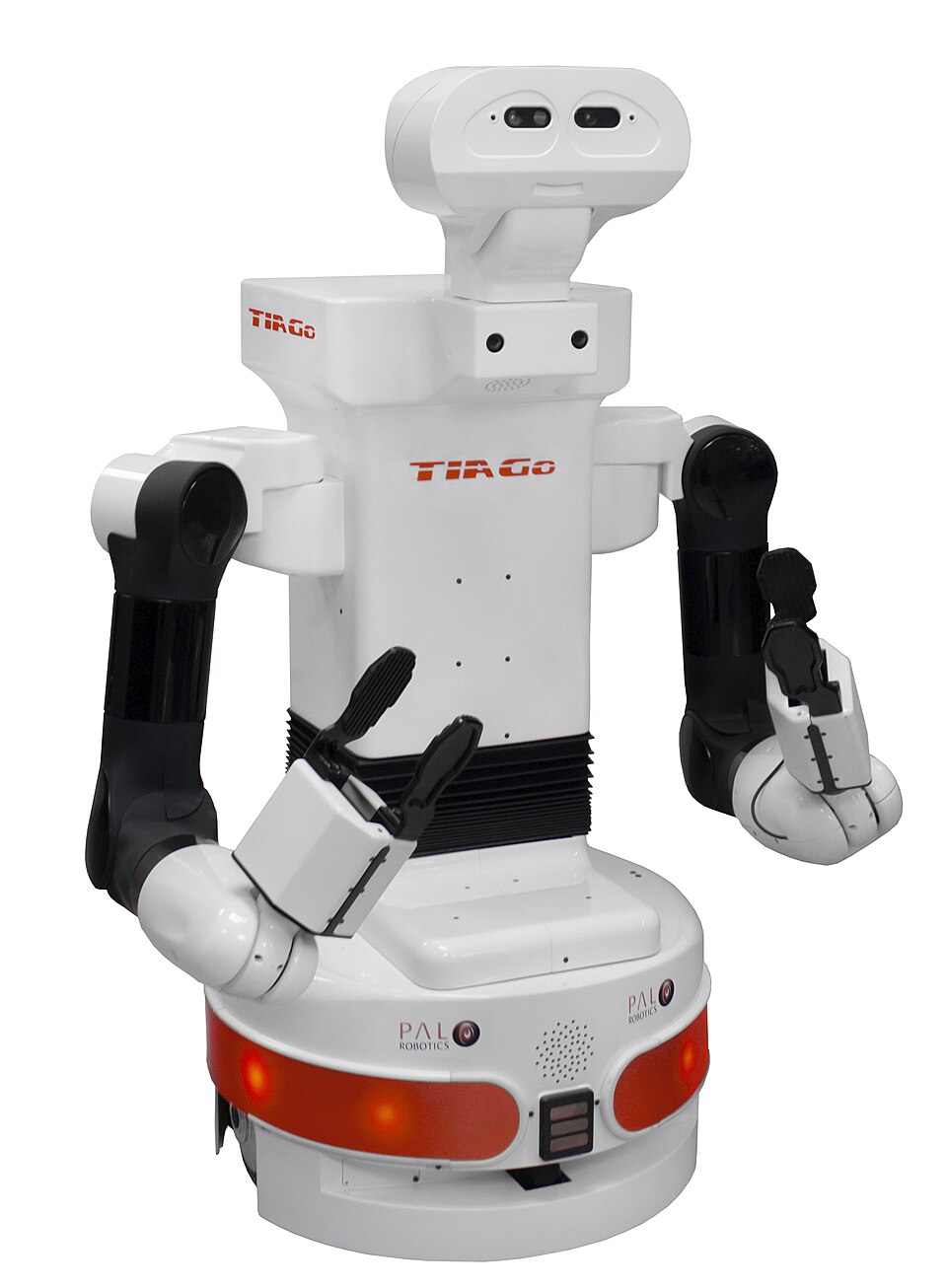
Within the research robot category, the Tesla Bot Hand (Prototype) competes with platforms like TurtleBot 3 Waffle Pi, TurtleBot 4 Lite, TIAGo. Each robot in this space offers different trade-offs between capability, cost, and availability. Use our comparison tools to evaluate the Tesla Bot Hand (Prototype) against specific alternatives for your use case, or explore the full research robot database to discover all available options.
AI Capabilities
Full Specifications
| Specification | Tesla Bot Hand (Prototype) Tesla research |
|---|---|
| Status | prototype |
| Price | Prototype |
📐Physical Dimensions | |
| Height | 0.25 m |
| Weight | 1.2 kg |
| Degrees of Freedom | 22 |
⚡Performance Specs | |
| Max Speed | N/A |
| Battery Life | Integrated |
| Payload | 5 kg grip |
🧠AI Capabilities | |
| AI Capabilities | tactile sensingfine motor controlneural network controlobject recognitionforce feedbackadaptive grip Score: 6 |
Frequently Asked Questions
Verified Sources
Official links for Tesla Bot Hand (Prototype) specifications and information.