Motion Primitive Discovery in a Humanoid Robot via Self-Organising Maps for Phase Recognition
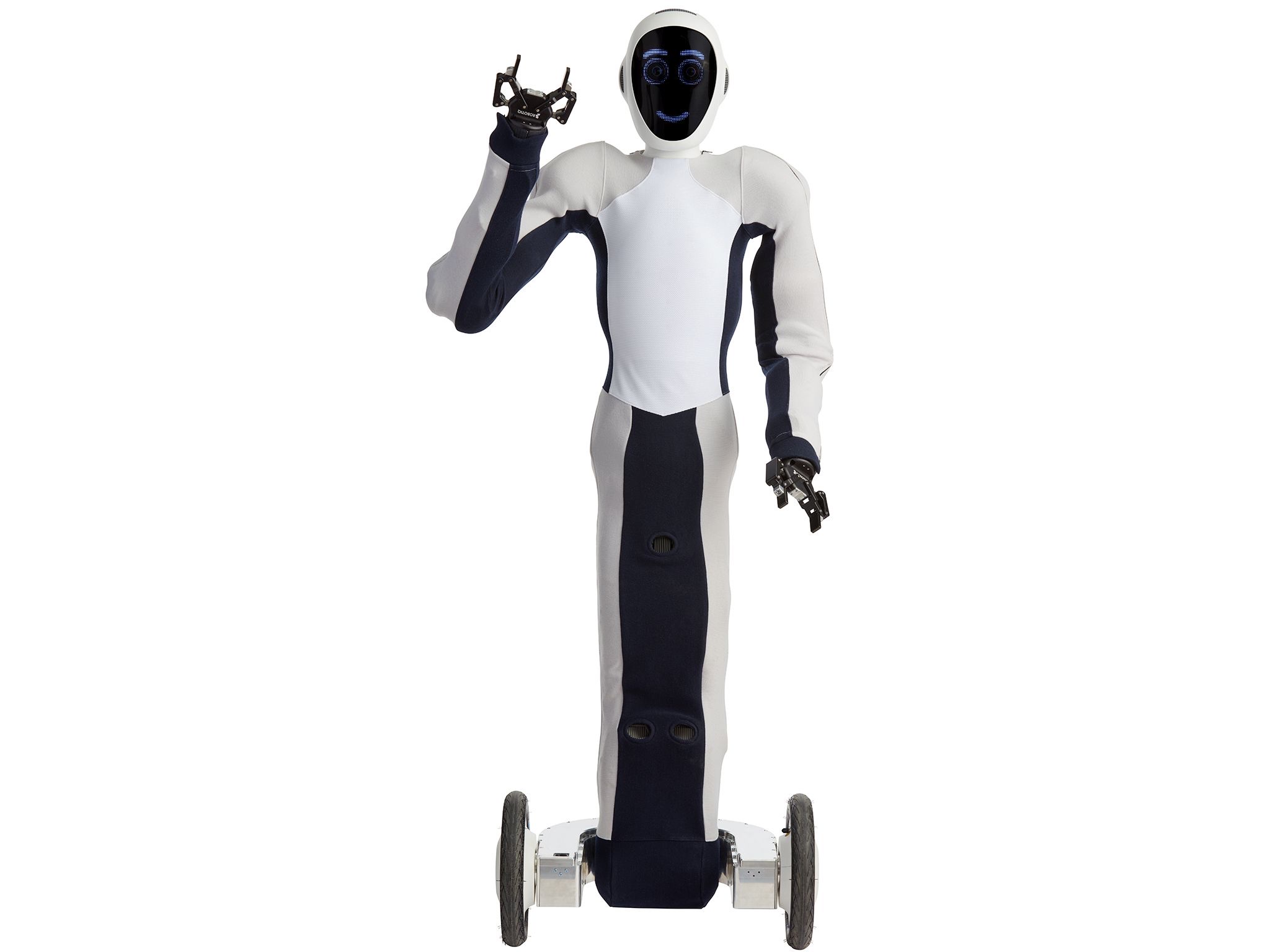
arXiv:2607.18737v1 Announce Type: new Abstract: Understanding the computational basis of action recognition is a central challenge in social cognition as well as in human-robot interaction. Inspired by the Mirror Neuron System (MNS), we propose a two-level architecture for motor primitive discovery and online phase recognition applied to the NICO humanoid robot. At the first level, two Self-Organising Maps (SOMs) learn topographic representations of arm kinematics (A-SOM) and hand kinematics (H-SOM) from simulated trials covering seven motor actions. The maps are trained on non-redundant features identified through hierarchical correlation analysis of motion trajectories. The results show that the two SOMs encode complementary aspects of motor behaviour. At the second level, an Echo State Network (ESN) evaluates whether temporal trajectories of SOM activations, represented by consecutive best-matching units, are sufficient for online recognition of the currently executed movement phase