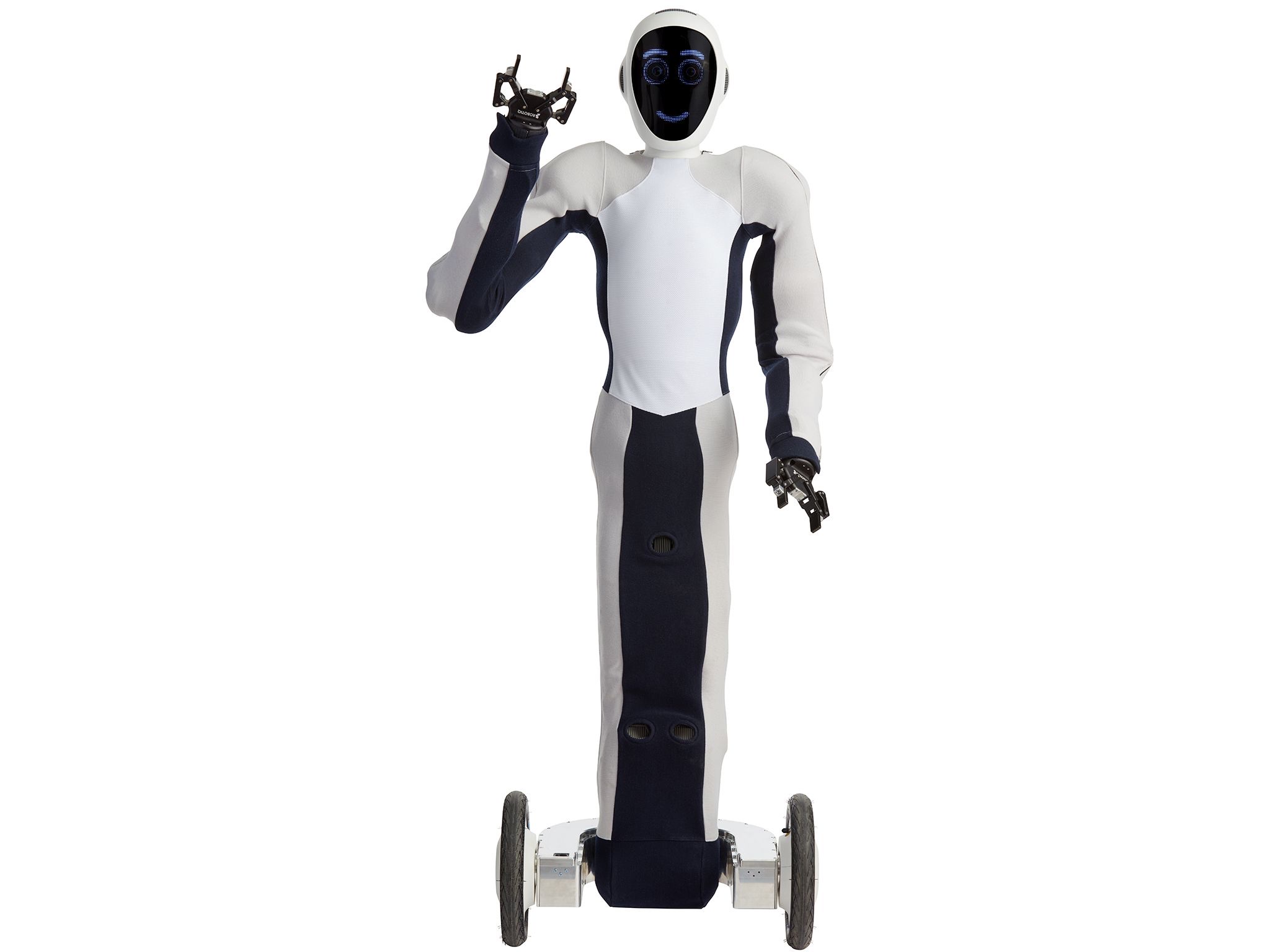
What Robots Do Matters More Than What They Look Like: Task Context Shapes Trust in Educational HRI
arXiv:2606.14602v1 Announce Type: new Abstract: Socially assistive robots (SARs) are increasingly deployed in educational and information-sharing contexts, supported by advances in large language models that enable fluent real-time interaction. Despite the growing diversity of robot embodiments, it remains unclear whether a single robot appearance is appropriate across different interaction tasks or whether trust depends primarily on contextual factors. In this study, we examine how robot appearance and task type jointly influence trust in robots. Using a within-subjects video-based experiment (N = 81), participants evaluated three robots with distinct appearances while performing three educationally relevant tasks: teaching, procedural instruction, and personal-information discussion. Results from repeated-measures analyses show a strong main effect of task on trust, with participants reporting the highest trust during instructional guidance, moderate trust during teaching activities,