Planning and Integration of a Multi-Robot Adaptive Charging Network for Voltage Regulation via Unscented Kalman Filter-Based Deep Reinforcement Learning
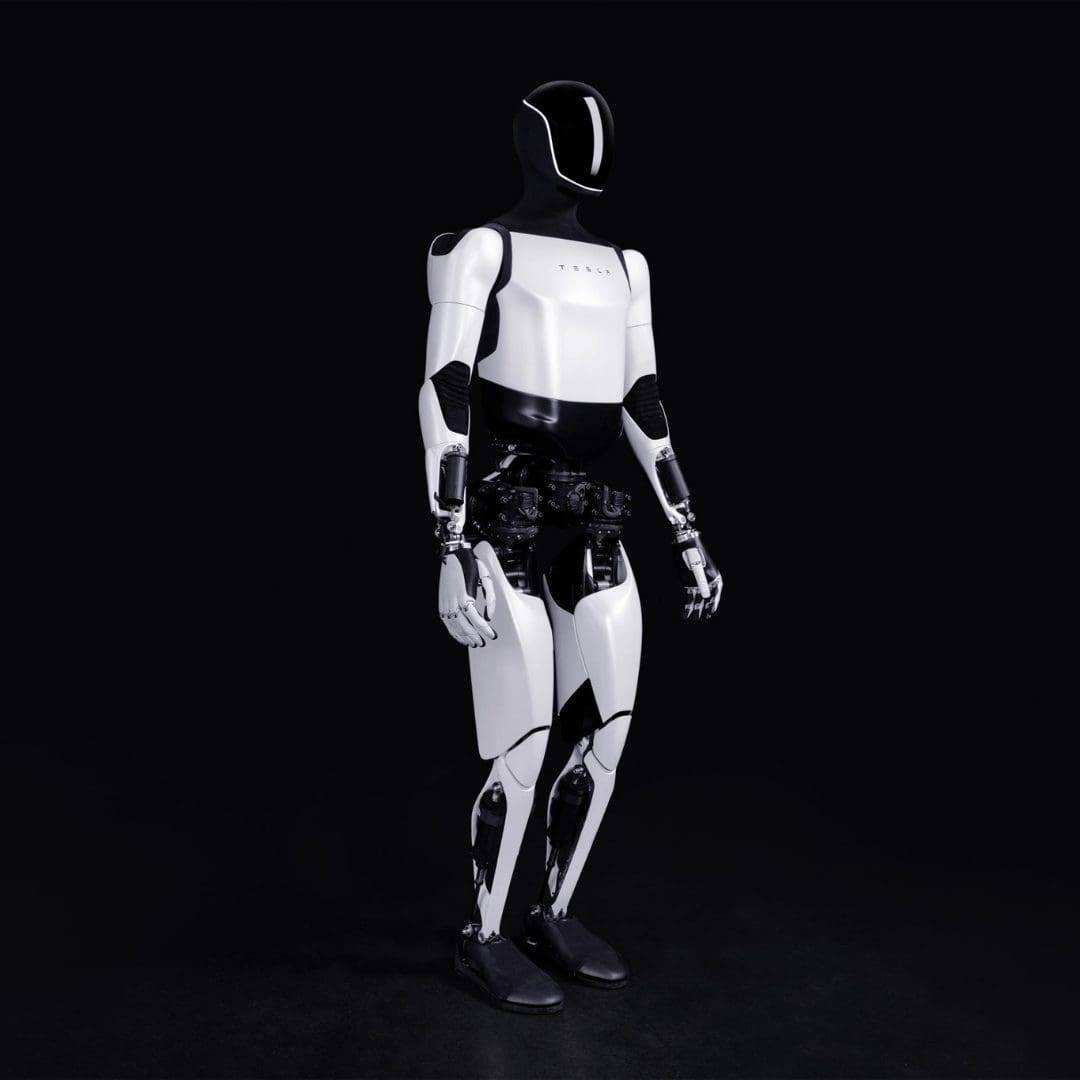
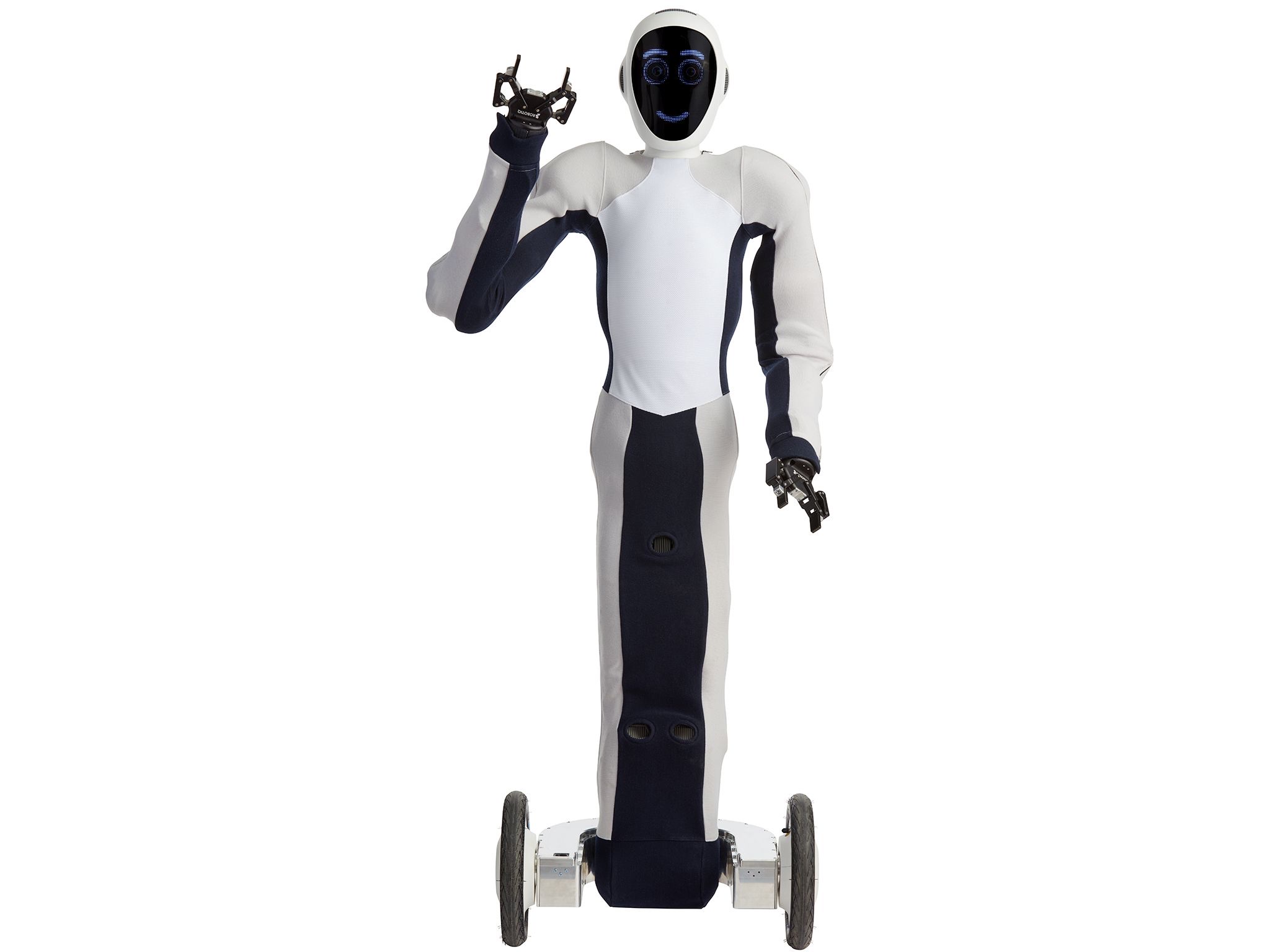
High levels of electric vehicle (EV) penetration and load uncertainty pose significant challenges to traditional voltage regulation in distribution systems (DS), particularly concerning voltage drops. This study investigates the potential of a dual-service mode (V2V/V2G) for mobile charging using multiple charging robots, cooperating with conventional DS voltage regulation methods to enhance performance. Specifically, we propose a multi-robot adaptive charging network (MRACN) embedded in a three-level voltage regulation framework to address voltage violations. At the low level, we introduce a voltage security rule-based dispatch strategy for MRACN to mitigate EV-induced voltage drops. At the mid-level, we optimize day-ahead scheduling of on-load tap changers and capacitor banks via optimal power flow for long-term voltage regulation. At the high level, we employ an unscented Kalman filter-based deep reinforcement learning (UKF-DRL) approach to integrate MRACN into DSs for real-time voltage control. Experimental results demonstrate that MRACN effectively reduces voltage violations and enhances the flexibility of conventional voltage control systems. Moreover, the UKF-DRL method accelerates DRL training by nearly an order of magnitude compared to full AC power-flow solutions, with the overwhelming majority of state estimates deviating by no more than 2%.